
Are you ready to take your home entertainment experience to the next level? Television has evolved far beyond traditional viewing, and Live 4K IPTV is bringing sharper images, richer colors, and a more immersive way to enjoy digital content. Imagine watching your favorite movies, live sports, and entertainment with stunning 4K picture quality from the comfort of your home. With the right IPTV Subscription, viewers can enjoy a more flexible entertainment experience while accessing content over an internet connection. In this guide, we’ll explore what 4K IPTV is, how it works, what to consider when choosing an IPTV Service, and the best tips for getting the most from your viewing experience.
What Is IPTV 4K and Why Does It Matter?
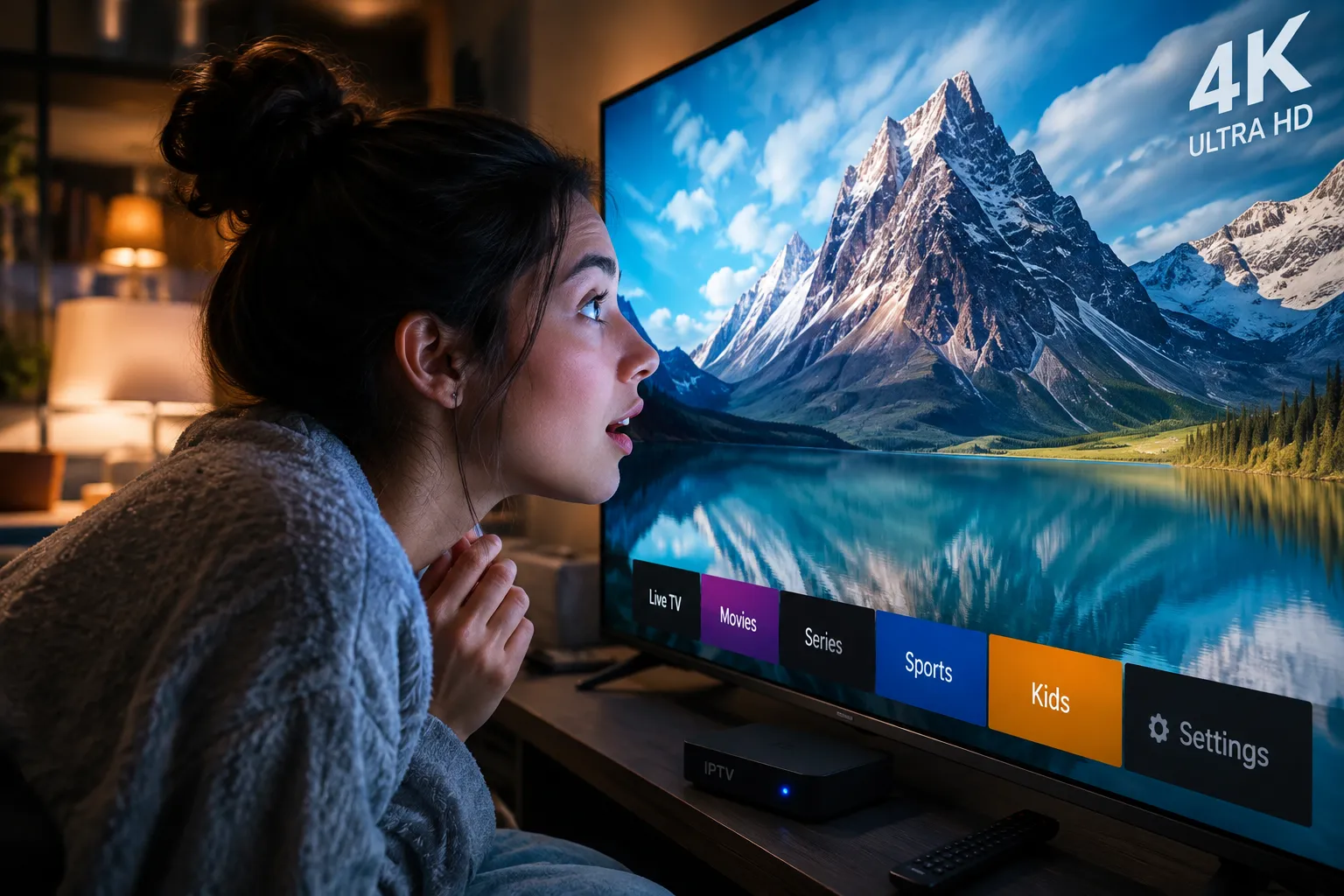
IPTV 4K combines internet-based television with the higher picture quality of 4K resolution, creating a viewing experience designed for modern screens. Instead of relying entirely on traditional cable or satellite broadcasting, IPTV delivers television content through an internet connection. The 4K part refers to the level of image detail, which can make compatible movies, sports, and live programming appear noticeably sharper and more realistic on a suitable display. For viewers with a fast and stable connection, Live 4K IPTV can therefore offer an appealing way to enjoy high-quality entertainment while taking advantage of the capabilities of today’s Smart TVs.
The experience, however, is about more than picture resolution alone. A good IPTV Subscription should work smoothly with the viewer’s device, internet connection, and preferred viewing setup. Many modern Smart TV Technology features make it easier to access internet-based entertainment, while compatible applications such as IPTV Smarters Pro can provide an organized interface for supported IPTV content. When these elements come together, IPTV 4K can provide a convenient and immersive viewing experience that fits the way people increasingly watch television today.
Choosing the Right IPTV 4K Service for Your Needs
With the growing popularity of IPTV 4K, more providers are offering different packages, features, and viewing options. Choosing the right service can make a significant difference in your overall viewing experience. Before selecting an IPTV Subscription, it’s important to consider factors such as streaming quality, channel selection, device compatibility, reliability, and customer support. Here are some key factors to keep in mind when choosing an IPTV 4K service:
Content Library and Channel Selection
- Live Channels: Ensure the service offers the live channels you frequently watch, especially those available in 4K. This includes sports, news, entertainment, and international channels.
- On-Demand Content: Many IPTV services also provide a vast library of movies and TV shows. Check if their on-demand catalog includes 4K options.
- Specialty Channels: If you have niche interests, verify if the provider caters to them, ideally with 4K content.
Picture and Sound Quality
- 4K Content Availability: This is paramount. Not all channels or on-demand titles will be available in 4K. Look for providers that clearly advertise their 4K offerings.
- Streaming Stability: Poor quality streaming can ruin the 4K experience. Look for reviews that mention stable streams and minimal buffering.
- Audio Support: High-quality audio, such as Dolby Digital, often accompanies 4K video. Check if the service supports these formats.
Device Compatibility and User Interface
A good IPTV 4K service should work smoothly across the devices you already use, including Smart TVs, streaming devices, smartphones, tablets, and computers. Device compatibility is important because it allows you to enjoy your content without being limited to a single screen. It’s also worth looking for a simple and easy-to-navigate interface, as a well-designed app can make browsing channels, finding content, and managing your viewing experience much more convenient. Applications such as IPTV Smarters Pro may be available on supported devices and can provide an organized interface for compatible IPTV content.
Optimizing Your Internet Connection for Seamless 4K IPTV Streaming
A reliable and stable internet connection is one of the most important factors for enjoying IPTV 4K. Because 4K video contains much more visual detail than standard HD, it generally requires a faster and more consistent connection to stream smoothly. A weak or unstable network can lead to buffering, reduced picture quality, or interruptions during live content. Before using an IPTV Subscription, it’s therefore worth checking your internet performance and optimizing your home network. Here are some practical ways to improve your connection:
Understanding Bandwidth Requirements
A stable internet connection is essential for enjoying Live 4K IPTV without interruptions. As a general guideline, 4K streaming can require around 25 Mbps or more for a smooth experience, while a faster connection of 50 Mbps or higher can provide additional room when several devices are using the same network. Having sufficient bandwidth helps your device handle high-resolution video more consistently, reducing the chances of buffering, quality drops, or interruptions during live viewing.
Speed Test and Router Placement
Step 1: Test Your Internet Speed
Before committing to a premium iptv service, it’s wise to test your current internet speed. You can use online tools like Speedtest.net. Ensure you perform the test during peak usage times to get a realistic assessment.
Step 2: Optimize Router Placement
For the strongest Wi-Fi signal, place your router in a central location in your home, away from obstructions like thick walls, metal objects, and other electronic devices that can cause interference. Consider using a wired Ethernet connection directly to your streaming device for the most stable and fastest speeds.
Consider Upgrading Your Internet Plan
If your current internet plan doesn’t meet the recommended speeds for 4K streaming, it might be time to consider an upgrade. Contact your Internet Service Provider (ISP) to discuss their higher-tier plans. Many ISPs offer specific packages tailored for streaming and gaming that provide the necessary bandwidth for a superior IPTV 4K experience.
A stable internet connection is the backbone of your 4k streaming journey. Without it, even the best IPTV Service will falter. Think of it as the highway for your entertainment data – the wider and clearer the highway, the smoother the journey.
Essential Devices for Enjoying IPTV 4K
To fully enjoy the brilliance of IPTV 4K, you need devices that can support and display this high-resolution content. Fortunately, the market is flooded with excellent options:
Smart TVs with 4K Resolution
Modern Smart TVs are increasingly designed with 4K UHD resolution, making them a strong choice for high-quality internet-based entertainment. When choosing a new TV, look for a display that clearly supports 4K UHD (Ultra High Definition) and consider additional features such as HDR10 or Dolby Vision. These technologies can improve contrast, brightness, and color accuracy, helping compatible content look more detailed and realistic. A quality display can make a noticeable difference when watching IPTV 4K, especially during movies, sports, and other high-resolution programming.
Streaming Devices and Set-Top Boxes
If your current TV isn’t a smart TV or doesn’t support 4K, a dedicated streaming device is an excellent solution. Popular choices include:
- Amazon Fire TV Stick 4K/4K Max: Offers great value and access to a vast app ecosystem.
- Roku Streaming Stick+ 4K/Ultra: Known for its simple interface and wide channel support.
- Apple TV 4K: A premium option with powerful hardware and seamless integration into the Apple ecosystem.
- NVIDIA SHIELD TV Pro: A high-performance device often favored by tech enthusiasts for its power and features, including excellent upscaling capabilities.
These devices connect to your TV via HDMI and stream content directly from the internet. Ensure the device you choose explicitly supports 4K streaming and the necessary codecs for your chosen IPTV Service.
Compatibility with IPTV Apps
Once you have a device that supports 4K, the next step is choosing a compatible IPTV player. Depending on your device and IPTV provider, you may have access to a dedicated application or a third-party player such as IPTV Smarters Pro, TiviMate, or other compatible apps. Before installing an application, check that it supports your device and works with the IPTV service you plan to use. Choosing the right player can make it easier to browse channels, manage playlists, and enjoy Live 4K IPTV content on a compatible screen.
Troubleshooting Common IPTV 4K Issues
Even with the best setup, you might occasionally encounter issues. Here are some common problems and their solutions:
Buffering and Stuttering
Cause: Insufficient internet speed, network congestion, or server issues on the provider’s end.
Solution:
- Restart your modem and router.
- Close other bandwidth-intensive applications on your network.
- If using Wi-Fi, try moving closer to the router or using an Ethernet cable.
- Test your internet speed. If consistently low, contact your ISP.
- Check if your IPTV provider has reported any service outages.
Poor Picture Quality Despite 4K Subscription
Cause: The content itself is not in 4K, a low-quality stream is being delivered, or device settings are incorrect.
Solution:
- Ensure you are selecting 4K content from your IPTV service’s library.
- Verify that your streaming device and TV are set to output 4K resolution.
- Check your IPTV app settings to ensure it’s not limited to a lower resolution.
- Confirm that your internet speed is sufficient for 4K streaming.
App Crashing or Freezing
Cause: App bugs, outdated software, or device memory issues.
Solution:
- Restart the IPTV app.
- Restart your streaming device.
- Check for updates for both the IPTV app and your device’s firmware.
- Clear the app’s cache and data (this may require re-entering login details).
- If problems persist, try uninstalling and reinstalling the app.
Dealing with technical hiccups is part of the digital experience. By understanding these common issues and their remedies, you can quickly get back to enjoying your high-definition entertainment.
Conclusion
Choosing the right setup is essential for getting the most from a Live 4K IPTV experience. From having a fast and stable internet connection to using a 4K-capable Smart TV and a compatible IPTV player, each part of the setup can affect picture quality and overall performance. A suitable IPTV Subscription or premium iptv service, combined with reliable equipment and an easy-to-use application such as IPTV Smarters Pro, can make accessing compatible content more convenient. As 4K streaming continues to grow, taking the time to optimize your network, choose the right device, and use compatible technology can help you enjoy a smoother and more immersive viewing experience.